
Run the plan that fits your legs and your week.
Negative Split turns Claude, ChatGPT, Gemini or Grok into a running coach who plans around your real fitness and schedule. Tell it a recent race or run, your goal and how many days you can run, and get a week-by-week plan with paces, long runs, fueling, a taper and clear signs to stop and see a physio.
Get Negative Split Running Coach for $5 Predict my time
$5 once · card, Apple Pay or Google Pay · download in a minute
Into more than one hobby? Get all 70 hobby skills for $19, this one included.
- One-time $5
- Instant email delivery
- 14-day refund
- Works in Claude, ChatGPT, Gemini and Grok
Half marathon plan from a 25:00 5K
12 weeks · 4 runs a week · goal 1:55:00
Current: 15 mi a weekLong run: 6 miNo injuries
- Goal1:55:00 half marathonRiegel from your 25:00 5K: 8:46 per mile, 5:27 per kmTarget
- EasyEasy runs about 10:10 to 10:40 per mileConversational: 60 to 90 s slower than your 9:09 marathon paceMost runs
- LongLong run builds from 6 to 11 or 12 milesAdd about 1 mile a week, and cut back every fourth weekWeekend
- TaperLast 10 days: cut volume about 40%Keep a little goal-pace running, sleep moreRace week
- WatchPain in one spot on a bone, or limping: stopSee a physio or doctor before running through itSafety
Everything a good running coach keeps track of
One skill, six jobs. Claude, ChatGPT, Gemini or Grok picks the right one from what you ask.
Training plans
Couch to 5K, 10K, half marathon and marathon plans built around the days you can run and your current mileage.
Paces from a real race
Race predictions and training paces from a recent result with the Riegel formula, plus easy, tempo and interval paces.
Heart rate zones
Five zones from your resting and max heart rate, and how much time to spend in each.
Fueling and hydration
What to eat before, during and after long runs and races, with a gel plan you practice in training.
Taper and race day
A taper that keeps you sharp, plus a pacing plan for a strong second half.
Injury warning signs
Which aches you can run through, which need rest, and when to see a physio or doctor.
Ask it like you'd ask your running club coach
It builds the plan from where you are now, not where a magazine plan assumes you are.
Aim for about 4:10, not the formula's 4:00 (medium confidence)
Riegel's formula predicts 52:00 × (42.195 ÷ 10)1.06 = about 3:59 for the marathon. That assumes marathon training most first-timers on 20 miles a week haven't done yet, so plan on 4:05 to 4:15 and run the first half at about 9:35 per mile.
Your next 16 weeks
- Build from 20 to about 35 miles a week, adding 2 to 3 miles a week with a cut-back week every fourth week.
- Grow the long run from 8 to 18 or 20 miles, at an easy pace.
- Practice your race fueling on every long run over 90 minutes: 30 to 60 g of carbs an hour.
- Taper over the last 2 to 3 weeks.
If you get pain in one spot on a shin or foot bone, or pain that makes you limp, stop and see a physio or doctor. Tell me which days you can run and I'll write the weeks out.
Example answer from the full skill. Your answers depend on what you ask.
Honest about training
Running is full of miracle plans. Negative Split tells you what actually builds a faster, healthier runner.
- Formulas are a starting pointRace predictors assume you've trained for the distance. It says when your plan doesn't back up the number.
- Easy means easyMost of your running should be slow and conversational. It keeps the hard days hard and the easy days easy.
- Pain is informationIt won't diagnose injuries. It tells you when to rest and when to see a physio or doctor.
- Consistency winsSteady weeks beat heroic ones. It builds slowly, with cut-back weeks.
Up and running in two minutes
No app to learn and nothing to install on your computer. It lives inside Claude, ChatGPT, Gemini or Grok.
Buy once
Pay $5 by card, Apple Pay or Google Pay. Your download link arrives by email in about a minute.
Add it to Claude, ChatGPT, Gemini or Grok
Upload the ZIP under Skills in Claude, or the unzipped folder in Gemini. It takes about 30 seconds. In Grok, upload the ZIP, or paste the included paste-in file into a new skill. In ChatGPT, add the included paste-in file to a Project.
Just ask
"What can I run in a half off my 10K?" "Write me a couch to 5K plan." "How many gels for a 4 hour marathon?"
Pick your app for the exact clicks
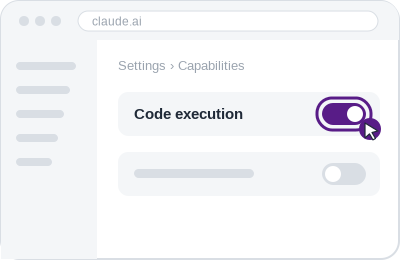
1In Settings, then Capabilities, turn on code execution.
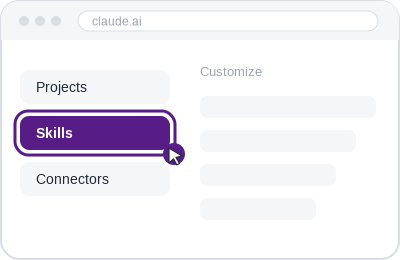
2Open Customize, then Skills.
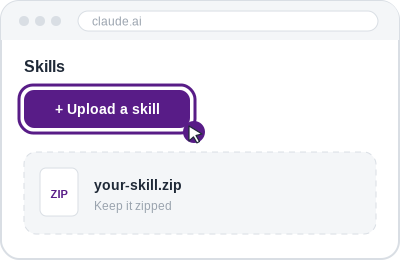
3Click +, choose Upload a skill, pick the ZIP. Keep it zipped.
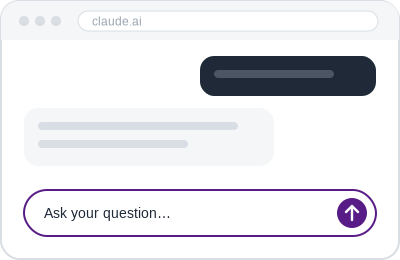
4Start a new chat and ask. Claude picks up the skill.
Works on every Claude plan, including the free one. Free plans have lower usage limits.
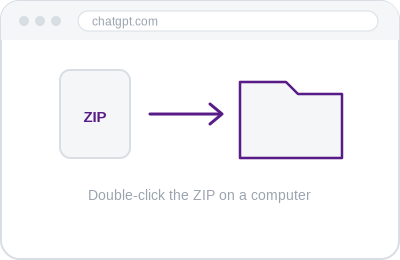
1On a computer, unzip the download and find ANY-AI-PASTE-VERSION.txt.
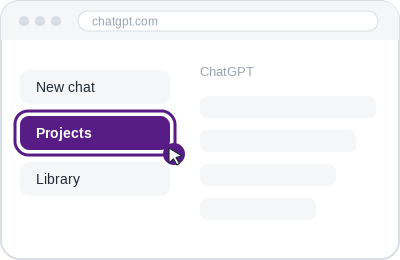
2In ChatGPT, open Projects and make a new project.
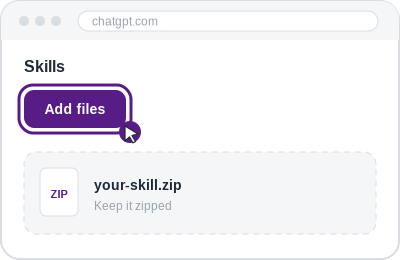
3Add the .txt file to the project. In its instructions, type: Follow the attached file.
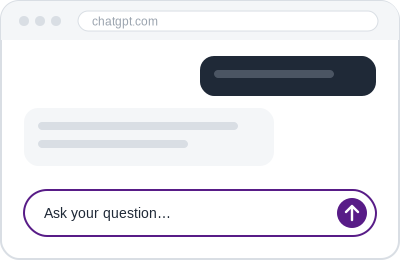
4Start a chat in that project and ask. On a Business, Enterprise or Edu plan, you can upload the ZIP under Skills instead.
Personal ChatGPT plans (Free, Plus, Pro) don't have a Skills page yet, so you use the paste-in version in a Project. On a Business, Enterprise or Edu plan, go to chatgpt.com/skills, choose Add, then Upload from your computer.
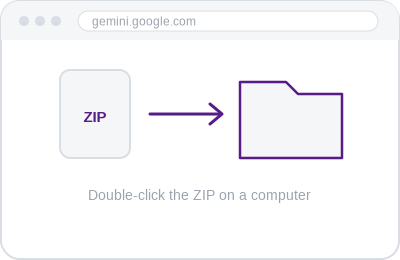
1On a computer, unzip the download. You get a folder.
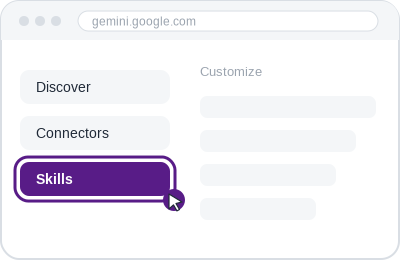
2At gemini.google.com, open Customize, then Skills.
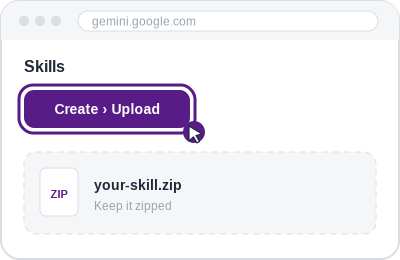
3Choose Create, then Upload, then folder. Pick the unzipped folder.
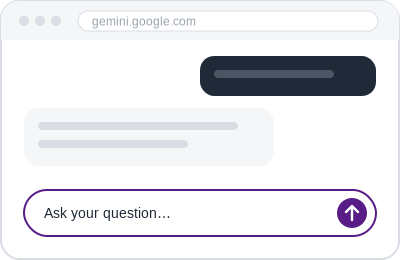
4Start a new chat and ask.
Gemini takes the unzipped folder, not the ZIP. Menus in Gemini change often, so names may differ slightly.
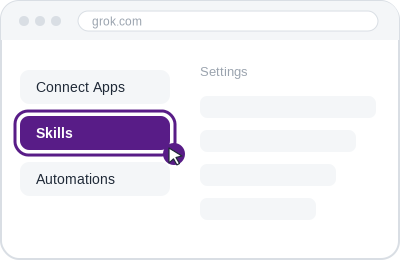
1At grok.com, open Settings, then Skills.
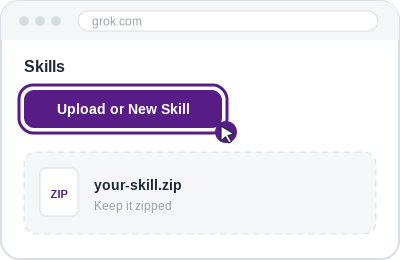
2If you see Upload, pick the ZIP. If you only see New Skill, use the next step.
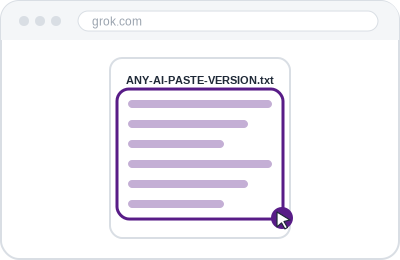
3New Skill: name it, then paste the text of ANY-AI-PASTE-VERSION.txt (below the line of equals signs) into Instructions.
4Save it, start a new chat and ask.
Some Grok plans upload the ZIP; others show a New Skill form, where you paste the skill text in. Menus in Grok change often, so names may differ slightly.
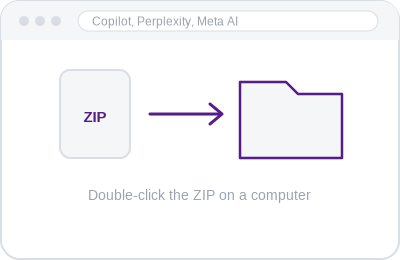
1No Skills page? Unzip the download on a computer.
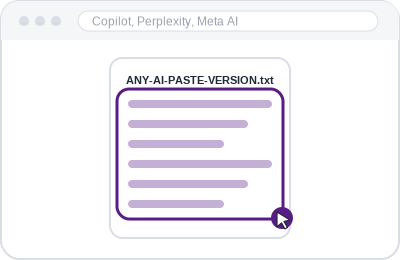
2Open ANY-AI-PASTE-VERSION.txt and copy everything.
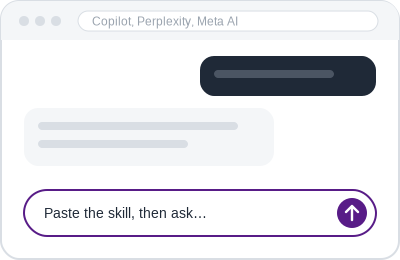
3Paste it into a new chat, then ask your question.
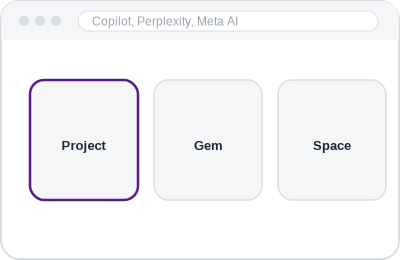
4To keep it on, add it to a ChatGPT Project, Gemini Gem or Perplexity Space.
Using Claude Code, Codex, Cursor or another coding agent? Unzip it into the skills folder, for example unzip negative-split-running-coach.zip -d ~/.claude/skills/
On your phone? Go ahead and buy: the download link goes to your email and works for a year. Adding a skill is easiest from a computer, in a web browser or the desktop app, so open that email there when you're ready. Want to try it on your phone today? Open the ZIP, copy ANY-AI-PASTE-VERSION.txt into any chat app, and ask.
Start with the free Pace Plan
A small skill that turns one recent race into a goal time and training paces for your next race, with a simple week of running.
- Race prediction with the Riegel formula
- Easy, tempo and interval paces
- A sample week that fits your schedule
Get Negative Split Running Coach
Pay once, use it for every training block. Includes the free Pace Plan too.
How to add it
Upload the ZIP under Skills in Claude, or the unzipped folder in Gemini (in Grok, upload the ZIP or paste the paste-in file into a new skill; in ChatGPT, add it to a Project), then start a new chat and try: "I ran a 5K in 27:30 last month and I want to run a half marathon in 14 weeks. I can run 4 days a week. Make me a plan."
See the clicks for your app. Every download also comes with a paste-in version for any other chat, and a Start Here PDF.
Step-by-step guides with pictures: Claude · ChatGPT · Gemini · Grok
Negative Split Running Coach
Plans, paces, fueling and taper from couch to marathon.
$5 one time
- Week-by-week plans from couch to 5K to marathon
- Race predictions and training paces
- Heart rate zones
- Fueling and hydration plans
- Taper and race-day pacing
- Injury warning signs and when to see a pro
- Updates for a year
Card, Apple Pay or Google Pay through Stripe. Taxes calculated at checkout. 14-day refund.
Giving it as a gift? Buy it, forward the email, and print a gift card.
See a real answer from the full skill
You ask: I ran a 52:00 10K last month and I want to run my first marathon in 16 weeks. I run 20 miles a week. What time should I aim for?
Aim for about 4:10, not the formula's 4:00 (medium confidence)
Riegel's formula predicts 52:00 × (42.195 ÷ 10)1.06 = about 3:59 for the marathon. That assumes marathon training most first-timers on 20 miles a week haven't done yet, so plan on 4:05 to 4:15 and run the first half at about 9:35 per mile.
Your next 16 weeks
- Build from 20 to about 35 miles a week, adding 2 to 3 miles a week with a cut-back week every fourth week.
- Grow the long run from 8 to 18 or 20 miles, at an easy pace.
- Practice your race fueling on every long run over 90 minutes: 30 to 60 g of carbs an hour.
- Taper over the last 2 to 3 weeks.
If you get pain in one spot on a shin or foot bone, or pain that makes you limp, stop and see a physio or doctor. Tell me which days you can run and I'll write the weeks out.
Into more than one hobby? The Skill Pass gets you all 70 hobby skills, this one included, for $19.
New to AI skills?
Negative Split is a skill: a set of expert instructions you add to your own Claude, ChatGPT, Gemini or Grok account, so it answers like a running coach who knows the craft.
- Using Gemini? Unzip it and upload the folder on its Skills page. Using Grok? Under Settings, Skills, upload the ZIP or paste the paste-in file into a new skill. Using ChatGPT? Add the included paste-in file to a Project.
- New to all of them? Claude is an AI assistant made by Anthropic. Make an account at claude.ai: skills work on every Claude plan, including the free one, with code execution turned on in Settings, Capabilities.
- Try the free Pace Plan skill first. If you like it, the full skill is one purchase.
Not ready for an AI app? The free race time predictor on this site works in any browser, no account needed.
Free running tools
No sign-up, they run in your browser.
Made by Nic Hubert, What If Labs
I run What If Labs from British Columbia, Canada. I build each skill with AI help and test it on real questions, and a separate reviewer checks it before it goes on sale. If it doesn't do what this page says, email me at hello@whatiflabs.ai and I'll fix it or refund you.
No reviews yet: this store is new. Tell me how it went and I'll use it to make the skill better.
Questions
I've never run. Can it help?
Yes. It starts with walk-run intervals and builds to 30 minutes of running over about 8 to 10 weeks. If you have a heart condition, are pregnant or have other health concerns, check with your doctor before you start.
Does it connect to my watch or app?
Not directly. Paste your recent runs, paces or heart rates from Strava, Garmin or any app, and it plans from those.
Will it tell me what's wrong with my knee?
No. It can tell you which warning signs mean rest and which mean see a physio or doctor, but it doesn't diagnose injuries.
How do paces get set?
From a recent race or hard time trial using the Riegel formula, adjusted for how much you've been running. You see the working, so you can check it.
What do I need to use it?
A Claude, ChatGPT, Gemini or Grok account. In Claude it works on any plan, including the free one, with code execution turned on (Settings, Capabilities). Free accounts have lower usage limits, so long planning sessions go further on a paid plan. It works in Claude on the web, the desktop app and Claude Code. In Gemini and Grok, upload it on the Skills page. In ChatGPT, personal plans (Free, Plus, Pro) don't have Skills yet, so you add the included paste-in file to a ChatGPT Project; Business, Enterprise and Edu plans can upload the ZIP under Skills. Coding agents that read SKILL.md files work too. Using Copilot, Perplexity, Meta AI or another chat with no Skills page? Every download includes a paste-in version (ANY-AI-PASTE-VERSION.txt) that works in any AI chat.
What if it doesn't work for me?
Email hello@whatiflabs.ai within 14 days of buying and we'll refund you in full. No forms, no questions.
How is this different from just asking an AI?
A general AI answer is often vague or skips steps. The skill gives your AI an expert's method: what to ask you first, the checklists and calculations to run, and the mistakes to warn you about. You get consistent, specific answers instead of a different guess each time.
Do I pay every month?
No. It's a one-time price, and updates to the skill are free.
Can I get a refund?
Yes. Every purchase comes with a 14-day refund, no questions asked. Reply to your receipt email and we'll take care of it.
What if it gets something wrong?
It shows its working, so you can check numbers and dates. Tell it what's off and it will correct itself. For anything where a mistake costs money or safety, double-check before you act, as you would with any advice.
Is my information private?
The skill runs inside your own Claude, ChatGPT, Gemini or Grok account, and we never see your chats. When you buy, Stripe handles the payment and we keep your email and order so we can send the download. The terms and privacy page has the details.